Modern vehicles are packed with safety systems designed to protect drivers and passengers in the event of an accident. One of the most important of these systems is the airbag system, also known as the SRS (Supplemental Restraint System). When everything is working properly, the system continuously monitors itself in the background. But when something goes wrong, the airbag warning light appears on your dashboard.
Many drivers in Auckland ignore this warning for weeks or even months, assuming it is just a minor electrical issue. In reality, an airbag warning light can mean your airbags may not deploy properly during a collision — or could even deploy unexpectedly in rare cases. SRS diagnostic & repairs should be checked regularly to prevent any further damage.
Understanding why the airbag light stays on is the first step toward fixing the issue and keeping your vehicle safe.
What Does the Airbag Warning Light Mean?
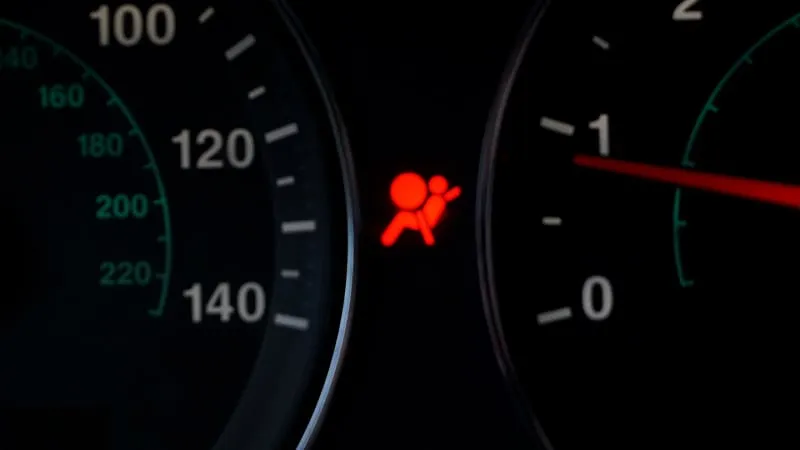
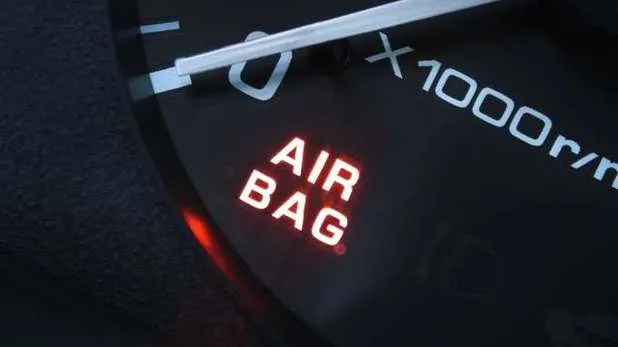
The airbag warning light usually appears as:
- A seated passenger with a circle in front
- The letters “SRS”
- The word “Airbag”
When you start your vehicle, the light normally turns on briefly while the system performs a self-check. If the light stays on after a few seconds, the vehicle has detected a fault somewhere in the airbag system.
Once a fault is detected, the system may partially or completely disable the airbags until the issue is repaired.
Common Causes of an Airbag Warning Light Staying On
There are several reasons why your airbag warning light may remain illuminated. Some are simple electrical faults, while others involve critical safety components.
1. Faulty Seat Belt Pretensioners
Seat belt pretensioners work together with airbags during a collision. These devices tighten the seat belts instantly during impact to reduce passenger movement.
If a pretensioner becomes faulty or its wiring is damaged, the SRS system may trigger the warning light.
Common causes include:
- Wear and tear
- Water damage
- Loose connectors under seats
- Previous accident damage
In many vehicles, wiring under the driver or passenger seat becomes loose over time due to seat movement.
2. Damaged Clock Spring
The clock spring is a component located inside the steering wheel. It maintains electrical connections between the steering wheel and the vehicle while allowing the wheel to rotate.
The clock spring connects systems such as:
- Driver airbag
- Steering wheel buttons
- Horn
- Cruise control
When the clock spring fails, the airbag light often appears alongside other symptoms like:
- Horn not working
- Steering wheel controls failing
- Intermittent warning lights
Clock spring failure is extremely common in modern vehicles.
3. Airbag Module Faults
The airbag control module is essentially the brain of the SRS system. It stores crash data and monitors sensors throughout the vehicle.
After an accident, the module may:
- Store crash event data
- Become locked
- Require resetting or replacement
Even if airbags did not deploy, impact-related faults can still trigger the warning light.
Water damage is another major cause of airbag module failure, especially in vehicles affected by flooding or moisture intrusion.
4. Faulty Crash Sensors
Vehicles use crash sensors positioned around the car to detect sudden deceleration or impacts.
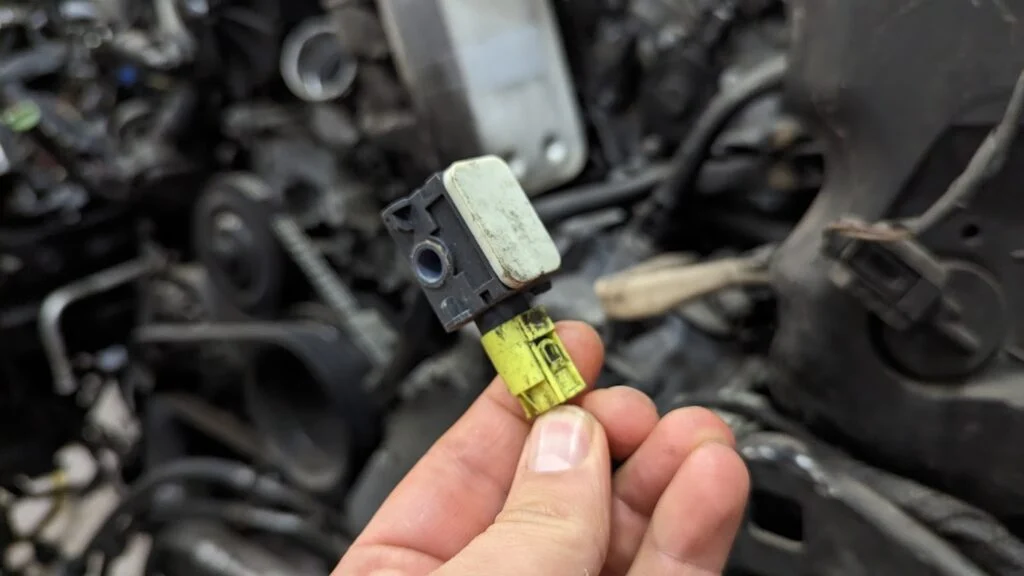
These sensors can fail due to:
- Corrosion
- Accident damage
- Electrical issues
- Moisture exposure
When a sensor sends incorrect readings or stops communicating with the module, the airbag warning light stays on.
5. Battery or Electrical Problems
Low battery voltage can sometimes trigger airbag system faults.
This often happens after:
- A flat battery
- Jump-starting the vehicle
- Battery replacement
- Alternator issues
Modern vehicles are highly sensitive to voltage fluctuations. Even temporary power interruptions may cause the SRS system to store fault codes.
In some cases, the light may disappear after clearing codes. In others, an underlying electrical issue remains.
If your SRS light remains on after startup, professional diagnostics may be required. Our team of SRS airbags in Auckland can identify faulty modules, crash sensors, and wiring problems.
6. Water Damage Inside the Vehicle
Water damage is more common than many drivers realize.
Blocked sunroof drains, leaking windscreens, or flooding can allow moisture to enter areas where important SRS components are located.
Water can damage:
- Wiring harnesses
- Seat connectors
- Airbag modules
- Crash sensors
This is especially serious because corrosion can continue spreading over time, creating intermittent electrical faults that become difficult to diagnose.
7. Previous Accident Repairs
Improper repairs after an accident are a major cause of persistent airbag warning lights.
Sometimes vehicles are repaired cosmetically while underlying SRS faults are ignored. In other cases:
- Damaged airbags are not replaced properly
- Cheap resistors are installed to bypass the system
- Fault codes are not cleared correctly
These shortcuts create serious safety risks.
Professional diagnostics are essential after any collision involving the front, side, or rear of the vehicle.
8. Wiring and Connector Issues
Modern vehicles contain extensive wiring throughout the cabin. Over time, connectors may loosen, wires may break, or corrosion may develop.
Common trouble spots include:
- Under front seats
- Door pillars
- Steering column wiring
- Areas exposed to moisture
Even a small interruption in electrical communication can activate the SRS warning light.
Is It Safe to Drive With the Airbag Light On?
Technically, the vehicle may still drive normally, but the safety system may not function correctly during an accident.
Depending on the fault:
- Airbags may fail to deploy
- Pretensioners may not activate
- The entire SRS system may become disabled
For this reason, driving long-term with the warning light on is not recommended.
In New Zealand, an active airbag warning light may also affect your vehicle’s WOF inspection depending on the nature of the fault.
Why Proper Diagnostics Matter
Many generic scan tools cannot fully diagnose airbag systems. SRS systems require professional-level diagnostic equipment capable of communicating with manufacturer-specific modules.
A proper diagnosis involves:
- Reading fault codes
- Testing sensors and wiring
- Inspecting connectors
- Verifying module communication
- Checking previous repair history
Simply clearing the warning light without fixing the root problem usually results in the light returning later.
Can Airbag Problems Be Repaired?
In many cases, yes.
Depending on the issue, repairs may include:
- Wiring repairs
- Replacing crash sensors
- Clock spring replacement
- Seat belt pretensioner repair
- Airbag module reset or replacement
- Connector cleaning and repair
The correct repair depends entirely on accurate diagnostics.
Professional Airbag Repair in Auckland
Airbag systems are one of the most critical safety components in any modern vehicle. Ignoring warning lights or attempting temporary bypass solutions can put both drivers and passengers at risk.
If your airbag warning light stays on, professional inspection is the safest option. At Shoreside Auto Electrical, we provide advanced SRS diagnostic in Auckland and professional airbag repair services for a wide range of vehicles in Auckland.
Whether the issue involves crash sensors, wiring faults, seat belt pretensioners, or module repairs, proper diagnosis is essential to restoring your vehicle’s safety systems correctly.
If you are experiencing an airbag warning light or SRS fault, contact our team to arrange a professional inspection and repair service.