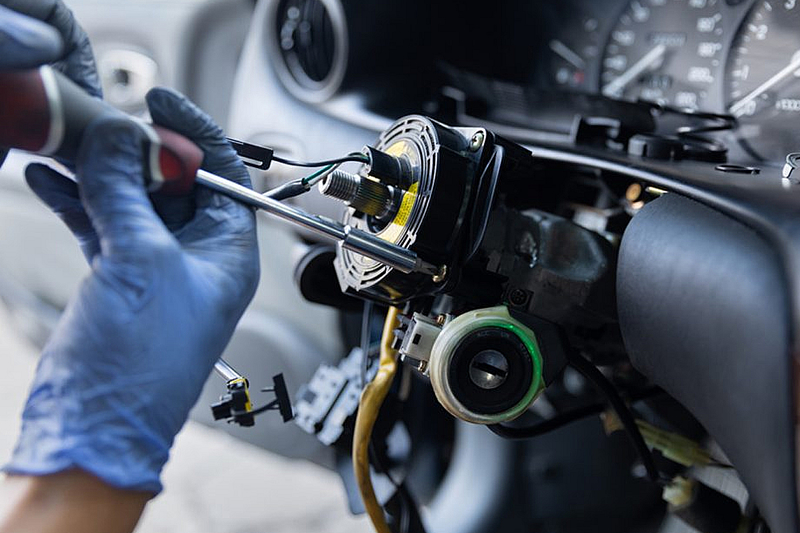
Your vehicle’s airbag system is one of the most important safety features protecting you and your passengers on the road. Modern vehicles are equipped with advanced SRS (Supplemental Restraint System) technology designed to reduce injuries during a collision by deploying airbags and activating seat belt pretensioners within milliseconds.
However, many drivers ignore early warning signs when something goes wrong with the system. Because airbag components operate silently in the background, problems are often overlooked until a dashboard warning light appears — or worse, until the system fails during an accident.
An airbag system fault should never be treated as a minor inconvenience. Even small electrical or sensor issues can prevent airbags from deploying properly during a crash.
Understanding the warning signs can help you identify problems early and arrange professional repairs before they become dangerous.
What Does the SRS System Actually Do?
The SRS system works together with several vehicle safety components, including:
- Front airbags
- Side airbags
- Curtain airbags
- Crash sensors
- Seat belt pretensioners
- Airbag control modules
- Occupancy sensors
- Steering wheel clock springs
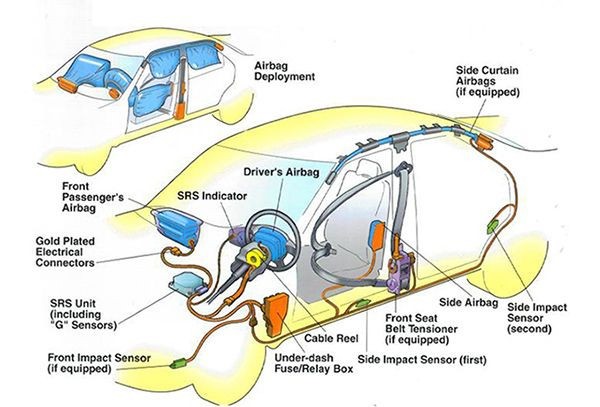
When a collision occurs, the system analyzes crash data in milliseconds and determines whether airbags should deploy.
If any part of the system fails self-diagnostics, the vehicle will usually trigger an SRS warning light or store fault codes inside the airbag control module.
Professional srs diagnostic auckland services are essential for identifying the exact source of these problems.
1. The Airbag Warning Light Stays On
The most obvious sign your airbag system needs immediate attention is the airbag warning light remaining illuminated on the dashboard.
Normally, the SRS light briefly turns on when the vehicle starts and then disappears after the system completes a self-check.
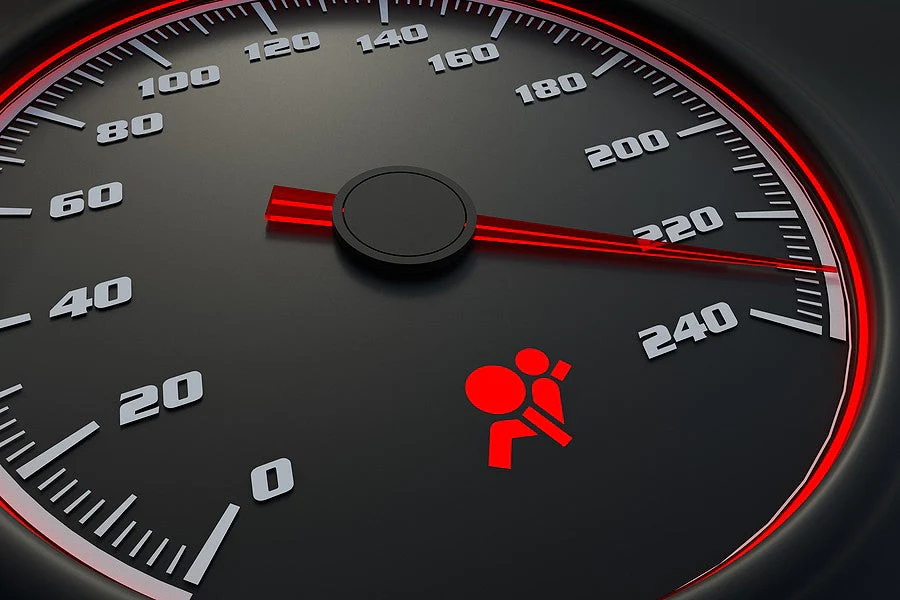
If the light:
- Stays on continuously
- Flashes repeatedly
- Turns on intermittently
the system has detected a fault.
This warning may indicate problems involving:
- Crash sensors
- Seat belt pretensioners
- Wiring faults
- Airbag modules
- Clock spring failures
- Battery voltage issues
Many drivers continue operating their vehicles with the warning light active for months, assuming the car is still safe. The reality is that some or all airbags may become disabled until the fault is repaired.
This is why professional srs diagnostic & repairs should be performed as soon as possible whenever the warning light appears.
2. Your Vehicle Has Been Involved in a Collision
Even relatively minor accidents can damage airbag system components without deploying the airbags themselves.
After a collision, the system may:
- Store crash event data
- Detect sensor abnormalities
- Lock the airbag module
- Trigger hidden fault codes
Many vehicle owners assume that if airbags did not deploy, the system is still functioning correctly. This is not always true.
Components commonly affected after an accident include:
- Crash sensors
- Wiring harnesses
- Seat belt pretensioners
- Steering wheel components
- Airbag control modules
Modern vehicles are highly sensitive to impact-related faults. Even parking accidents or curb impacts can sometimes trigger system errors.
Professional srs repairs help ensure the system is fully inspected and restored properly after any collision.
3. Steering Wheel Functions Stop Working
If your steering wheel buttons suddenly stop functioning along with the airbag warning light appearing, the issue may involve the clock spring.
The clock spring is a component located inside the steering column that maintains electrical communication between the steering wheel and the vehicle while allowing the wheel to rotate.
The clock spring connects:
- Driver airbag
- Horn
- Cruise control
- Steering wheel audio controls
- Paddle shifters in some vehicles
When the clock spring fails, drivers may notice:
- Horn not working
- Steering wheel controls malfunctioning
- Airbag warning light activation
- Intermittent electrical faults
Clock spring failure is extremely common in many modern vehicles and should be repaired immediately because it directly affects the driver airbag system.
4. The Vehicle Has Water Damage or Moisture Issues
Water damage is one of the most overlooked causes of airbag system failure.
Modern vehicles contain numerous electronic modules and wiring systems underneath carpets, behind dashboards, and beneath seats. Moisture entering these areas can cause corrosion and communication failures within the SRS system.
Common causes include:
- Flood damage
- Leaking windscreens
- Blocked sunroof drains
- Air conditioning leaks
- Door seal failures
Water can damage:
- Airbag modules
- Crash sensors
- Wiring connectors
- Seat occupancy sensors
- Seat belt pretensioners
The dangerous part about water damage is that corrosion often worsens gradually over time. What starts as an intermittent warning light can eventually become complete system failure.
Drivers experiencing damp carpets, musty smells, or electrical issues should arrange immediate inspection of the SRS system.
5. Seat Belt Problems or Pretensioner Faults
Modern seat belts are integrated directly into the airbag system through devices called pretensioners.
Pretensioners tighten the seat belt instantly during a collision to reduce occupant movement before airbags deploy.
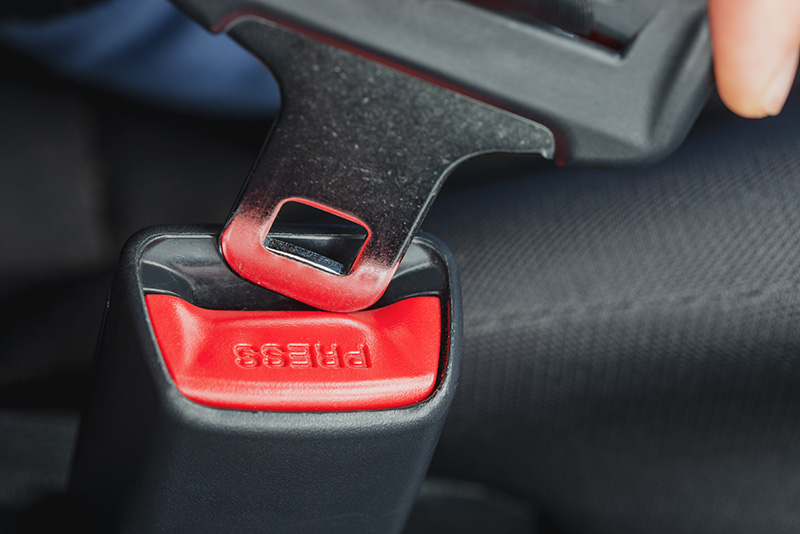
When pretensioners develop faults, the SRS warning light often appears.
Common signs include:
- Seat belt tension issues
- Warning lights after an accident
- Fault codes during diagnostics
- Seat belt locking problems
In some cases, pretensioners may activate partially during accidents even if airbags do not deploy.
Because seat belts and airbags work together as one safety system, pretensioner issues should never be ignored.
Why Airbag System Problems Are Serious
Some drivers continue using vehicles with active SRS faults because the car appears to drive normally.
However, an airbag fault can lead to:
- Airbags failing to deploy
- Incorrect deployment timing
- Disabled seat belt pretensioners
- Sensor communication failures
- Complete SRS system shutdown
During a serious collision, these failures can significantly increase injury risk.
Airbags are designed to work within milliseconds alongside other restraint systems. Even small faults can disrupt that coordination.
The Importance of Proper SRS Diagnostics
Modern SRS systems are highly advanced and often require manufacturer-level diagnostic equipment.
Generic code readers may not:
- Access all SRS modules
- Detect hidden fault codes
- Perform calibrations
- Reset crash data
- Identify communication faults
Professional srs airbags auckland services involve complete system analysis to identify the root cause of the issue rather than simply clearing warning lights.
Proper diagnostics help determine whether the problem involves:
- Wiring
- Sensors
- Airbag modules
- Calibration issues
- Physical airbag damage
- Collision-related faults
Why Calibration Matters After Repairs
Many modern vehicles require recalibration after airbag repairs or replacement of related components.
This may include:
- Occupancy sensor calibration
- Steering angle calibration
- Crash sensor calibration
- Airbag module programming
Professional srs calibration auckland services ensure all safety systems communicate correctly after repairs are completed.
Without proper calibration:
- Warning lights may remain active
- Sensors may provide incorrect readings
- Airbags may not deploy properly
- Safety systems may malfunction during collisions
Calibration has become especially important in newer vehicles with integrated ADAS (Advanced Driver Assistance Systems).
Avoid DIY Airbag Repairs
Attempting to bypass or repair airbag faults without proper training is dangerous.
Some unsafe practices include:
- Installing resistors to fake airbag signals
- Disconnecting warning lights
- Using incompatible second-hand parts
- Clearing codes without repairs
These shortcuts may temporarily hide warning lights while leaving the vehicle unsafe.
Airbag systems contain explosive deployment devices and sensitive electronics that require professional handling.
Professional SRS Repairs in Auckland
If your vehicle shows any signs of airbag system problems, immediate professional inspection is recommended.
At Shoreside Auto Electrical, we provide advanced diagnostics and professional SRS repairs for vehicles across Auckland.
Our services include:
- SRS diagnostics
- Airbag warning light repairs
- Crash sensor replacement
- Airbag module repairs
- Seat belt pretensioner repairs
- Wiring diagnostics
- System recalibration
Modern airbag systems are complex safety networks that require proper diagnostic equipment and experienced technicians to repair correctly.
If your airbag warning light is active or your vehicle has recently experienced accident damage or electrical faults, arranging professional inspection can help ensure your safety systems are functioning properly when you need them most.